

Justice Without a Price Tag: How Free Legal Help Levels the Playing Field in Medical Malpractice
Medical malpractice doesn’t discriminate—it can affect anyone, regardless of income, background, or circumstance. But when it comes to seeking justice, access to legal representation is not always so equal. The costs of pursuing a malpractice claim can be steep, and for those without the means, the idea of confronting a powerful hospital or insurer can seem impossible. That’s why pro bono malpractice work is so vital. It ensures that every person, no matter their financial status, has the opportunity to be heard and to fight for accountability. California hospital negligence legal experts can help with your case.
Pro bono representation in malpractice cases brings the legal system closer to its most important ideal: fairness. These are not simple cases—they require time, expertise, and deep investigation. Yet, when a lawyer chooses to offer these services for free, they’re making a powerful statement: that justice should never be reserved for those who can afford it. They’re standing up for the idea that every story deserves to be told, and every injury deserves to be addressed.
The impact of this work goes far beyond the courtroom. For clients who feel dismissed or ignored by the medical system, having a lawyer who believes in them enough to represent them pro bono is deeply validating. It rebuilds trust—not just in the legal process, but in the idea that someone out there truly cares. That emotional support, paired with legal expertise, creates a foundation for healing that money simply can’t buy.

From a legal perspective, pro bono work also strengthens the broader community. It ensures that bad practices are brought to light, that negligence doesn’t go unchecked, and that healthcare systems remain accountable. When lawyers step in to offer free representation, they’re not only helping one person—they’re helping to uphold the standards that protect everyone. They become part of a much larger movement toward equity and responsibility.
For malpractice attorneys, this kind of service reinforces their role not just as legal professionals, but as advocates for justice in the purest sense. It sharpens their understanding of the human side of the law and deepens the relationships they build with the people they serve. It’s not about charity—it’s about commitment to a principle: that every voice counts, and no one should be silenced by a price tag.
Equal access to justice is not just a lofty ideal. It’s a daily responsibility, made real every time a lawyer chooses to serve without expecting payment. In doing so, they preserve the integrity of the legal system and prove that justice, at its best, belongs to everyone.
…














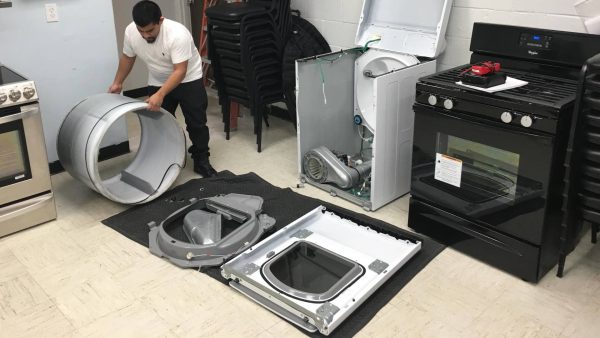 maintenance tools that make this process easy for you.






















 Imagination:
 Each major and minor scale generates a chord package; we will find major, minor and diminished chords; this is useful when we have identified the tone and armed the scale since if we come from a theme that is usually played with power chords, we need to know what chords they are major and which are minor to put together our arrangement, let’s remember which is the chord structure of the major scale and the minor scale: